The Essential Daycare Cleaning Checklist PDF

An essential daycare cleaning checklist in PDF format is a critical, printable resource outlining daily, weekly, and monthly sanitization tasks. It ensures a hygienic, safe environment for children, preventing germ spread. These templates are downloadable and vital for compliance.
Why a Daycare Cleaning Checklist is Indispensable

A daycare cleaning checklist is an indispensable tool, profoundly impacting the health, safety, and operational efficiency of any childcare facility. Primarily, its crucial role lies in preventing the widespread transmission of illnesses and infections among vulnerable children, staff, and visiting parents. By outlining specific, scheduled cleaning and sanitizing tasks for daily, weekly, and monthly intervals, the checklist ensures that every surface, toy, and play area consistently meets stringent hygiene standards. This systematic approach guarantees high-touch surfaces and facilities remain hygienic, actively reducing the risk of germ proliferation. Parents rely on daycare centers to provide the safest possible environment for their children, making impeccable hygiene and cleanliness imperative. Furthermore, such a comprehensive plan ensures compliance with state licensing regulations, avoiding potential penalties and maintaining accreditation. Beyond health, a structured checklist fosters consistency in cleaning routines, even across different staff members, ensuring no critical area is overlooked. It empowers staff to follow best practices, potentially saving time and resources, while also establishing clear benchmarks for cleanliness. This commitment to a spotless environment not only protects health but also cultivates a welcoming and professional atmosphere, enhancing trust and peace of mind for families.
Defining the Daycare Cleaning Checklist
A daycare cleaning checklist is a structured, comprehensive document, often available in printable PDF format, that meticulously outlines specific cleaning and sanitizing tasks essential for childcare facilities. This scheduled plan guides providers through daily, weekly, and even monthly routines, ensuring a consistently hygienic and safe environment. Its primary purpose is to define and enforce a systematic approach to cleanliness, covering everything from high-touch surfaces and play equipment to food service areas and restrooms. By detailing required actions, it serves as an indispensable tool to prevent the spread of germs, reduce illnesses among children and staff, and maintain compliance with stringent state licensing regulations. The checklist transforms the abstract concept of “cleanliness” into clearly actionable steps, making it clear what needs to be cleaned, how often, and often by whom. It can be a typed or handwritten document, sometimes editable in formats like Word or Canva, providing a clear record of completed tasks. Ultimately, it’s a foundational element for guaranteeing the well-being and trust of families entrusting their children to the center’s care.
Available Daycare Cleaning Checklist PDF Templates
Numerous printable daycare cleaning checklist PDF templates are readily available online, offering a convenient and structured approach to maintaining hygiene. These templates are specifically designed for daycare use, providing clear, pre-defined outlines for daily, weekly, and often monthly cleaning tasks. Many can be downloaded for free, eliminating the need for registration or credit card details, making them accessible to a wide range of childcare providers, from home daycares to larger facilities. These resources typically include dedicated sections for various areas, such as playrooms, common spaces, food service areas, and restrooms, ensuring comprehensive coverage. Beyond standard tasks, many templates also feature blank spaces, allowing users to add unique or facility-specific cleaning requirements. The availability of these ready-to-use PDFs simplifies the implementation of a rigorous cleaning schedule, helping centers ensure all rooms, high-touch surfaces, and equipment are consistently sanitized. They serve as an invaluable starting point for any daycare looking to enhance its cleanliness protocols and comply with health and safety standards without having to create a checklist from scratch.
Editable Formats for Customizing Your Checklist
For optimal flexibility, daycare cleaning checklists are not solely confined to static PDF documents; many are available in editable formats, empowering childcare providers to tailor them precisely to their facility’s unique needs; These versatile templates can often be found in Microsoft Word, Canva, and even editable Adobe PDF versions. The ability to edit allows daycare owners, managers, and staff members to seamlessly integrate specific tasks that might not be included in a generic template, such as specialized cleaning for unique play equipment or particular daily routines.
Customization extends to adding or modifying existing tasks, adjusting frequencies, and incorporating spaces for staff initials and completion dates. This ensures accountability and helps track cleaning progress effectively. For instance, if a daycare has unique “yuck bucket toys” requiring specific daily attention, these can be explicitly added. Furthermore, editable formats facilitate updates as regulations change or as the center’s operational needs evolve. Downloading these Word or editable PDF versions provides a powerful tool for creating a truly personalized and efficient cleaning regimen, moving beyond a one-size-fits-all approach to hygiene management.
Daily Cleaning Tasks for Play Areas
Maintaining a pristine play area is paramount for the health and safety of children in daycare centers, necessitating a rigorous daily cleaning regimen. Key tasks focus on sanitizing all toys and play equipment, which are frequently handled and can harbor germs. At the end of each day, or even throughout, toys should be inspected, cleaned, and disinfected, with specific attention to “yuck bucket toys” that may require more intensive sanitization.
Furthermore, all tables, chairs, and high-touch surfaces within the playrooms and classrooms must be thoroughly wiped down using a child-safe disinfectant. This includes shelves, doorknobs, light switches, and any other surfaces children regularly interact with. Beyond disinfection, daily tasks involve picking up and organizing toys into bins to maintain tidiness and facilitate thorough cleaning. Floors in play areas also require attention, often involving vacuuming or sweeping, followed by mopping. The entire room, including all surfaces, typically gets sprayed with sanitizer at the end of the day, ensuring a comprehensively clean environment for the next morning.
Daily Cleaning Tasks for Food Service Areas
Daily cleaning tasks for food service areas are crucial for preventing the spread of illness and maintaining a healthy environment. Immediately following each meal and snack service, all high chairs, seating, and dining tables must be thoroughly wiped down and disinfected. This includes counters and food preparation stations, which require meticulous cleaning and sanitizing after every use to eliminate food residues and harmful bacteria.
Dishes, utensils, and any food service equipment used throughout the day should be washed, rinsed, and sanitized promptly. Spills and splashes occurring during meal times must be cleaned up immediately to prevent slips and minimize germ proliferation. Floors in food service areas, including kitchens and dining spaces, need to be swept or vacuumed and then mopped after each meal and again at the end of the day to ensure comprehensive cleanliness. Additionally, trash receptacles should be emptied frequently, or as needed, and always at the close of the day to manage waste effectively and prevent odors or pest attraction. These consistent efforts guarantee a safe and sanitary space for meal consumption.
Daily Cleaning Tasks for Restrooms and Changing Tables
Maintaining impeccable hygiene in restrooms and around changing tables is paramount for a daycare, requiring rigorous daily attention. Changing tables, being high-contact surfaces for bodily fluids, demand frequent and thorough scrubbing and disinfection. A good mid-day scrub, in addition to sanitizing after each diaper change, is essential to prevent the spread of germs. All surfaces, including the changing pad, straps, and surrounding areas, must be wiped down using a child-safe disinfectant.

For restrooms, daily tasks involve comprehensive cleaning and sanitization of toilets, sinks, and faucets. These areas are critical touchpoints and breeding grounds for bacteria, necessitating meticulous disinfection. Floors in restrooms must be swept or vacuumed and mopped daily, with particular attention to spills or accidents. High-touch surfaces like doorknobs, light switches, and dispenser handles also require daily disinfection. Trash bins should be emptied as needed throughout the day and always at the end of the day, ensuring a fresh and sanitary environment. Restocking soap, paper towels, and toilet paper is also a crucial daily task to support proper hand hygiene for both children and staff.
Daily High-Touch Surface Disinfection
Daily disinfection of high-touch surfaces is an absolutely critical component of any comprehensive daycare cleaning regimen. Given the constant interaction of many young children in a shared space, these surfaces can quickly become reservoirs for germs, leading to the rapid spread of illnesses and infections among children, staff, and parents. Therefore, meticulous attention to these areas is non-negotiable for maintaining a healthy and safe environment.
Key high-touch surfaces requiring daily disinfection include doorknobs, light switches, tabletops, chair backs, handles on cabinets and drawers, and shared play equipment that children frequently touch. Additionally, any counters, high chairs, and seating areas must be regularly wiped down and disinfected throughout the day, especially after meals and messy play activities. The process involves using a child-safe disinfectant to thoroughly clean and sanitize these points. This systematic approach ensures that even the most frequently contacted areas are regularly treated, significantly reducing the bacterial and viral load within the facility. Adhering to this daily task is fundamental to upholding the high hygiene standards expected in childcare settings and complying with health regulations, making it a cornerstone of illness prevention.
End-of-Day Comprehensive Sanitization
End-of-day comprehensive sanitization is paramount for resetting the daycare environment to pristine hygiene levels once children have left. This thorough process ensures that all areas are meticulously cleaned and disinfected, preventing the carryover of germs and illnesses into the next day. Following the established cleaning schedules for each room, every surface and item that children interact with undergoes a rigorous sanitization procedure. All toys, especially those designated as “yuck bucket” toys, are inspected, cleaned, and disinfected before being organized and stored.
Critical tasks include a final sanitizing spray for everything in the room, focusing on high-touch surfaces such as tables, chairs, and play equipment that were frequently used throughout the day. Food service areas, including counters and tables, are thoroughly cleaned and disinfected after all meals, with dishes washed and food prep stations sanitized. Restrooms and changing tables, while addressed throughout the day, receive an intensive final scrub and disinfection. Floors are cleaned, and all trash receptacles are emptied. Nap mats, cot sheets, and blankets are checked, folded, stored, and laundered as needed, guaranteeing a safe, clean, and welcoming space for the following day.
Weekly Daycare Deep Cleaning Procedures
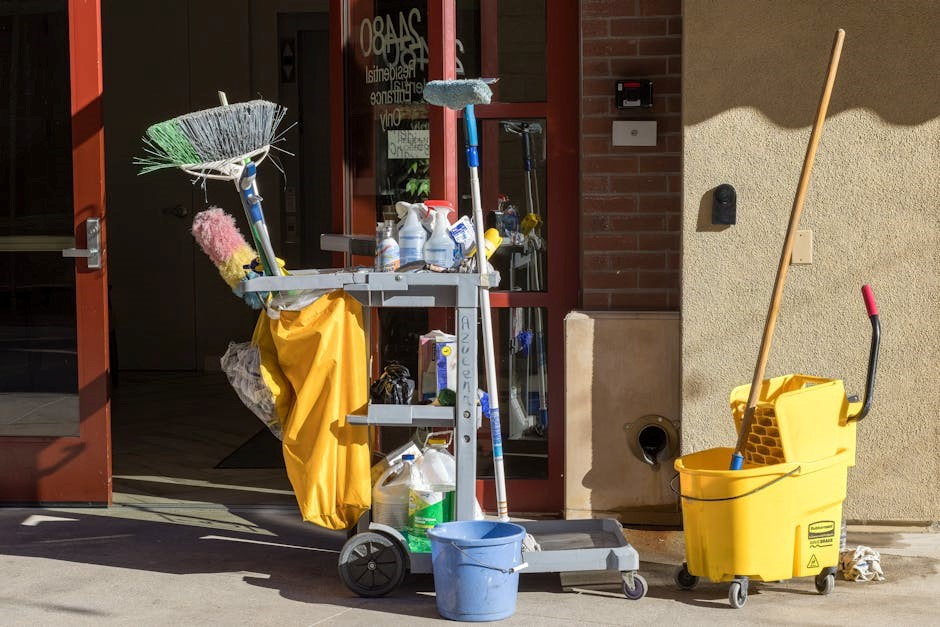
Weekly daycare deep cleaning procedures extend beyond daily maintenance, targeting areas that require more intensive attention to ensure a comprehensively sanitized and healthy environment. These crucial tasks are typically integrated into a printable PDF checklist, guiding staff and allowing for documentation upon completion. A key aspect involves a thorough scrub of kitchen floors, ensuring deep cleanliness in high-traffic food preparation zones. Additionally, specific tasks like removing burners from the range to clean underneath them, cleaning the food trap in the dishwasher, and sanitizing the filter from the smoke hood are essential weekly routines for maintaining optimal kitchen hygiene.
Beyond the kitchen, weekly deep cleaning includes meticulously dusting all furniture throughout the facility and opening windows to allow for fresh air circulation, enhancing the overall air quality. Other significant weekly duties can involve defrosting the freezer when a quarter-inch build-up is observed and thoroughly cleaning the oven. This structured, deeper cleaning regimen, often scheduled for specific days or rotating rooms, prevents the accumulation of dirt and germs that daily cleaning might not fully address, upholding the highest standards of cleanliness vital for children’s health and safety.
Implementing and Documenting Checklist Usage
Implementing and documenting checklist usage is fundamental for maintaining consistent hygiene standards in any daycare setting, ensuring children’s safety and well-being. Printable cleaning checklists, often readily available in PDF format, serve as indispensable tools for childcare providers and staff. These structured documents clearly outline scheduled daily, weekly, and even monthly sanitizing tasks, creating a clear and actionable framework for all team members. To effectively implement these checklists, they should be easily accessible in each area requiring attention and actively utilized throughout the day, ensuring no crucial task is overlooked.
The practical process involves printing each checklist, then staff meticulously fill in completion dates. For weekly procedures, indicating the specific day performed is beneficial. Crucially, staff must initial next to each completed item. This initialing acts as vital documentation, ensuring accountability, verifying task completion, and demonstrating diligent adherence to the established cleaning plan. Consistent verification of these tasks is absolutely paramount for preventing germ spread and maintaining a healthy, welcoming environment. This powerfully demonstrates compliance with state licensing regulations, providing invaluable peace of mind for parents and administrators alike. This systematic approach ensures every facility corner is addressed consistently.
The 3-Step Cleaning and Sanitizing Method

The 3-Step Cleaning and Sanitizing Method is a fundamental guideline for maintaining a hygienic environment within daycare centers, directly supporting the effectiveness of any cleaning checklist. This essential process ensures that surfaces, toys, and equipment are not just visually clean but also free from harmful pathogens, preventing the spread of illnesses among children and staff. The method, explicitly defined as WASH, 2. RINSE, and 3. SANITIZE or DISINFECT, provides a clear, actionable sequence for thorough hygiene.
Firstly, the “WASH” step involves using soap and water to remove visible dirt, food particles, and grime from all surfaces. This initial cleaning is crucial as sanitizers and disinfectants are less effective on soiled surfaces. Secondly, “RINSE” meticulously removes all soap residue and loosened dirt, preparing the surface for the germ-killing agent. This step ensures that no soapy film remains that could interfere with the efficacy of the final sanitizing or disinfecting solution. Finally, “SANITIZE or DISINFECT” is applied. Sanitizing reduces germs to safe levels, while disinfecting kills most germs, crucial for high-touch areas and items exposed to bodily fluids. Adhering to these steps, as guided by a daycare cleaning checklist, is paramount for a truly safe and clean childcare setting.
Benefits of a Structured Daycare Cleaning Plan
A structured daycare cleaning plan offers numerous significant benefits, ensuring optimal health and safety for children, staff, and parents. Primarily, it acts as a robust defense against the spread of illnesses and infections, which are common in environments with young children. By systematically addressing all areas, a comprehensive plan ensures that every corner is thoroughly sanitized, significantly reducing the incidence of sickness. This proactive approach cultivates a genuinely healthy and safe space, fostering well-being and peace of mind for everyone involved. Furthermore, it helps maintain consistent cleanliness and hygiene across the facility at all times, preventing lapses that could compromise health standards.

Beyond health advantages, a structured plan also ensures compliance with stringent state licensing regulations, which often mandate specific hygiene protocols. This adherence is crucial for operational legality and parental trust. It empowers staff to meet high cleanliness standards consistently, as outlined by clear routines and practices. Such a plan also contributes to creating a welcoming and professional environment, reassuring parents that their children are cared for in the safest possible setting. Ultimately, implementing a well-defined cleaning schedule provides the confidence that all hygiene requirements are met, reflecting a commitment to excellence.
When to Consider Professional Cleaning Services
Considering professional cleaning services for a daycare becomes imperative beyond routine daily staff tasks. While internal teams handle regular upkeep, certain situations demand specialized expertise and equipment that professionals provide. It’s highly advisable for the facility director or administrator to engage a commercial cleaning company at least once a year for a comprehensive deep clean. This annual service addresses areas and issues that might be overlooked or are too demanding for daily staff, ensuring a thorough sanitation reset.
Furthermore, professional services should be considered when a daycare center has not been maintained properly, requiring extensive remediation. Caregivers and less experienced janitors, though diligent, may lack the specific qualifications or time for such intensive cleaning, especially after messy play days or significant events. Hiring professionals ensures that the facility meets rigorous hygiene standards without burdening staff with tasks outside their primary childcare responsibilities. Factors like daycare location, facility size, and the current condition influence the scope and pricing, but the investment guarantees a meticulously clean and safe environment, demonstrating a commitment to unparalleled hygiene.