The lg soundbar and subwoofer manual guides users through setup‚ connectivity‚ and troubleshooting. It covers power wiring‚ wireless pairing‚ app control‚ and SIMPLINK functions‚ ensuring optimal sound quality and a seamless entertainment experience. Follow the manual for detailed firmware updates and warranty info.?!

Model Overview and Features
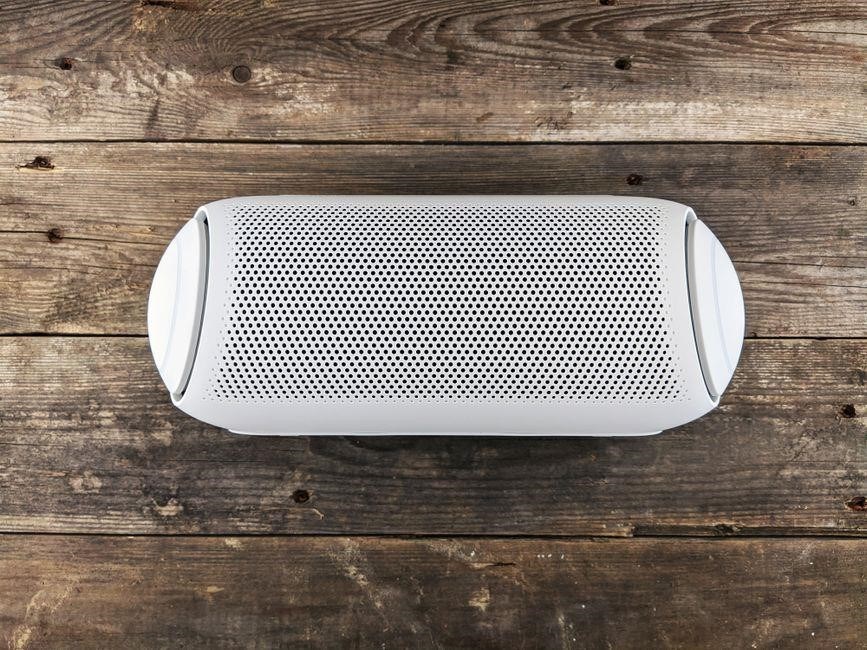
The LG SL4Y soundbar delivers immersive audio with a sleek design and premium build quality. Its compact chassis houses a 2.1 channel system‚ offering crisp highs‚ mids‚ and deep bass from the included wireless subwoofer. The subwoofer‚ powered by a 100W amplifier‚ produces resonating low frequencies that enhance movie action and music depth. Wireless connectivity ensures a clutter‑free setup‚ while the LG Sound Bar app on iOS and Android allows remote control of volume‚ EQ settings‚ and sound modes. The system supports LG’s SIMPLINK technology‚ enabling TV remote control of power‚ mute‚ and volume directly from the TV’s remote. Advanced audio processing features include Dolby Atmos and DTS:X support‚ adaptive sound tuning‚ and a customizable sound profile. The unit’s low profile and minimal cable requirements make it suitable for living rooms‚ home theaters‚ and office spaces. With a 10‑year limited warranty‚ LG guarantees performance and durability for long‑term use. The soundbar supports 7;1 virtual surround sound‚ delivering directional audio cues that mimic a full speaker setup. Its built‑in Dolby Atmos processing enhances cinematic immersion‚ while the 2.1 channel configuration ensures balanced audio output. The wireless subwoofer’s low‑frequency driver delivers punchy bass‚ ideal for action movies and music. The system’s sleek black finish complements modern décor‚ and its compact footprint fits easily under a TV. The soundbar’s remote‑control interface offers intuitive navigation and quick access to presets‚ making adjustments effortless. The device’s low power consumption and quiet operation make it suitable for late‑night viewing‚ while the LG Sound Bar app allows users to calibrate the audio profile based on room acoustics. Enjoy!!!
Required Components and Accessories
To set up the LG soundbar and subwoofer system‚ you’ll need the following components and accessories. The package includes the LG SL4Y soundbar‚ a wireless subwoofer‚ a power cable‚ a 3.5mm audio cable‚ and a HDMI ARC or eARC cable for TV connectivity. Additionally‚ the set comes with a wall mount kit‚ a remote control‚ and a quick‑start guide. For optimal performance‚ ensure you have a stable Wi‑Fi connection‚ as the LG Sound Bar app requires internet access for firmware updates and remote control. A power strip or surge protector is recommended to protect the system from power fluctuations. If you plan to mount the soundbar‚ the included wall‑mount brackets will secure it to the wall or TV stand. The wireless subwoofer can be placed anywhere within a 10‑meter range of the soundbar‚ but keep it away from large metal objects and electronic devices that may cause interference. The 3.5mm audio cable allows you to connect the soundbar to older TVs or audio sources that do not support HDMI ARC. The HDMI cable is essential for high‑definition audio and video pass‑through‚ enabling the soundbar to receive Dolby Atmos or DTS:X signals from the TV. The remote control provides basic volume and power functions‚ while the LG Sound Bar app offers advanced settings such as EQ presets‚ sound modes‚ and firmware updates. Finally‚ keep the quick‑start guide handy for reference during initial setup and troubleshooting. Follow the guide to adjust settings for optimal audio now !

Unboxing and Physical Inspection
When you receive the LG soundbar and subwoofer package‚ the first step is to carefully unbox each component. The outer cardboard box is labeled with the model number‚ “SL4Y‚” and a quick‑start guide. Inside‚ the soundbar sits in a protective foam cradle‚ while the subwoofer is nestled in a separate padded compartment; The packaging also contains a power cable‚ a 3.5mm audio cable‚ an HDMI ARC cable‚ a wall‑mount kit‚ a remote control‚ and a user manual. Inspect each item for visible damage: look for scratches on the soundbar’s front panel‚ dents on the subwoofer’s enclosure‚ or bent connectors. The power cable should have a standard IEC plug on one end and a 3.5mm connector on the other. The remote control should have a power button‚ volume up/down‚ mute‚ and a SIMPLINK button. The quick‑start guide is a thin booklet that outlines the setup steps and safety warnings. The user manual is a thicker PDF that provides detailed instructions‚ specifications‚ and troubleshooting tips. After confirming that all components are intact‚ set the soundbar on a stable surface and place the subwoofer within a 10‑meter range‚ avoiding large metal objects or Wi‑Fi routers that could interfere with wireless pairing. Once the physical inspection is complete‚ you’re ready to move on to the power and wiring setup. Follow the guide for pairing steps now.
Power and Wiring Setup
Begin by locating the power outlet nearest to your TV. Plug the included IEC power cable into the soundbar’s rear power port‚ then connect the other end to the wall outlet. The power indicator on the soundbar should illuminate‚ confirming a successful connection. Next‚ connect the soundbar to your TV using the HDMI ARC cable. Insert one end into the TV’s HDMI ARC port (usually labeled “ARC” or “eARC”) and the other into the soundbar’s HDMI input. If your TV lacks an HDMI ARC port‚ use the 3.5mm audio cable to link the TV’s headphone jack to the soundbar’s 3.5mm input. For optimal audio quality‚ enable HDMI‑CEC (also known as Simpli‑Link) on both the TV and soundbar via their respective settings menus. Finally‚ attach the wall‑mount kit to the back of the soundbar if you plan to mount it. Follow the mounting instructions in the quick‑start guide to secure the soundbar to a wall bracket. Once all cables are connected and the power is on‚ the soundbar will perform a self‑diagnostic and display a ready status on the screen. You are now ready to pair the wireless subwoofer and configure audio settings. Ensure the soundbar’s power rating matches your outlet’s voltage (220‑240 V in most regions). Keep the power cord away from heat sources and avoid tripping hazards by routing it along the wall. Verify that the HDMI cable is firmly seated; loose connections can cause audio dropouts. If the soundbar’s LED does not light‚ double‑check the outlet and try a different power strip. For safety! please now or moving it! Use the guide and now
Connecting the Soundbar to the TV
To connect the LG soundbar to your TV‚ first ensure that the TV supports HDMI ARC or eARC. Locate the HDMI ARC port on the TV (usually labeled “ARC” or “eARC”) and the HDMI input on the soundbar. Insert a high‑speed HDMI cable into both ports‚ making sure the connectors are fully seated. If your TV lacks an HDMI ARC port‚ use the 3.5mm audio cable to connect the TV’s headphone jack to the soundbar’s 3.5mm input. After the cable is secured‚ power on the TV and soundbar. On the TV’s audio settings‚ select “External Speaker” or “Audio System” and set the audio output to HDMI ARC. The soundbar’s LED should flash once the connection is recognized. For optimal performance‚ enable HDMI‑CEC (also called Simpli‑Link) on both devices through their settings menus. This allows the TV remote to control the soundbar’s volume and power. If the soundbar does not respond‚ try resetting the HDMI cable or switching to a different HDMI port. Refer to the lg soundbar and subwoofer manual for model‑specific instructions. Finally‚ adjust the soundbar’s audio settings via the remote or the LG Sound Bar app to fine‑tune bass‚ treble‚ and balance. Once the connection is established‚ you can pair the wireless subwoofer and enjoy immersive audio throughout your room. If you experience latency or audio sync issues‚ enable the TV’s “Audio Delay” setting or use the soundbar’s “Sync” option found in the audio menu. For wireless subwoofer pairing‚ press the power button on the subwoofer until the LED blinks‚ then press the pairing button on the soundbar; The subwoofer LED will stabilize‚ indicating a successful link. Keep the soundbar and subwoofer within 1 meter of each other to minimize interference. Ensure no metal objects or electronic devices obstruct the line of sight. The LG Sound Bar app allows remote control of the soundbar’s settings from a smartphone‚ providing a convenient way to adjust equalizer presets‚ volume levels‚ and firmware updates. Use the app to confirm that the soundbar is connected to the TV and to troubleshoot any connectivity problems. For detailed troubleshooting‚ consult the troubleshooting section of the lg soundbar and subwoofer manual.
Pairing the Wireless Subwoofer
To pair the wireless subwoofer‚ first power on the soundbar and ensure its volume is set low; many users find that a lower volume facilitates a smoother connection. Next‚ press and hold the subwoofer’s power button until its LED blinks rapidly. While the LED is blinking‚ press the pairing button on the soundbar (usually located near the power switch). The subwoofer LED will transition from rapid blinking to steady illumination‚ indicating a successful link. If the subwoofer does not pair‚ unplug both the soundbar and subwoofer for at least five minutes‚ then power them back on and repeat the pairing steps. For models that require a manual sync‚ consult the lg soundbar and subwoofer manual‚ as procedures can vary. Keep the devices within one meter of each other and avoid obstacles or strong electromagnetic sources such as routers or microwaves‚ which can interfere with the wireless signal. The LG Sound Bar app‚ available on Google Play or the App Store‚ can also initiate pairing by selecting the subwoofer from the device list and following on‑screen prompts. Once paired‚ the subwoofer will automatically reconnect to the soundbar when both devices are powered on‚ providing deep‚ resonating bass that complements the main soundbar’s output. For optimal performance‚ ensure the subwoofer’s firmware is up to date via the app or the manual’s instructions. If issues persist‚ refer to the troubleshooting section of the manual for model‑specific guidance. Keep the subwoofer’s battery charged and update firmware regularly for best performance.!!
Using the LG Sound Bar App
The LG Sound Bar app‚ available on Google Play and the App Store‚ offers a convenient interface to control your soundbar and subwoofer from your smartphone. After connecting your phone to the same Wi‑Fi network as the soundbar‚ download and launch the app. The first launch will prompt you to search for nearby LG audio devices. Select your soundbar from the list; the app will automatically initiate pairing‚ mirroring the process described in the lg soundbar and subwoofer manual. Once connected‚ you can adjust volume‚ mute‚ and toggle bass boost directly from the app’s touchscreen controls. The app also displays real‑time status indicators such as battery level for the wireless subwoofer and firmware version. If a firmware update is available‚ the app will notify you and provide a one‑click update button. For advanced settings‚ tap the gear icon to access EQ presets‚ speaker placement options‚ and a diagnostic tool that checks signal strength and latency. The app’s “Quick Start” guide walks you through setting up SIMPLINK compatibility‚ allowing the LG TV remote to control the soundbar. If you encounter connectivity issues‚ the app’s troubleshooting menu offers steps like restarting devices‚ resetting network settings‚ or performing a factory reset. All app interactions are designed to be intuitive‚ ensuring that even users unfamiliar with audio equipment can achieve optimal sound quality with minimal effort. Remember to keep the app updated to benefit from the latest features and security patches‚ as outlined in the manual’s maintenance section. Moreover‚ the app’s analytics dashboard provides insights into peak listening times and volume trends‚ allowing you to fine‑tune settings for different viewing scenarios. The app’s user interface supports multiple languages‚ ensuring accessibility for non‑English speakers. When you first pair the subwoofer‚ the app will prompt you to calibrate the bass response‚ guiding you through a simple audio test track. After calibration‚ the app stores the settings locally‚ so you don’t need to repeat the process each time. If you ever need to reset the pairing‚ simply select the “Disconnect” option‚ then re‑pair as described earlier. The app’s support section includes links to FAQs‚ troubleshooting videos‚ and direct contact with LG customer service. By keeping the app and firmware current‚ you guarantee that your soundbar and subwoofer continue to perform at their best‚ delivering crisp dialogue‚ punchy bass‚ and an overall immersive audio experience.

SIMPLINK Remote Control Functions
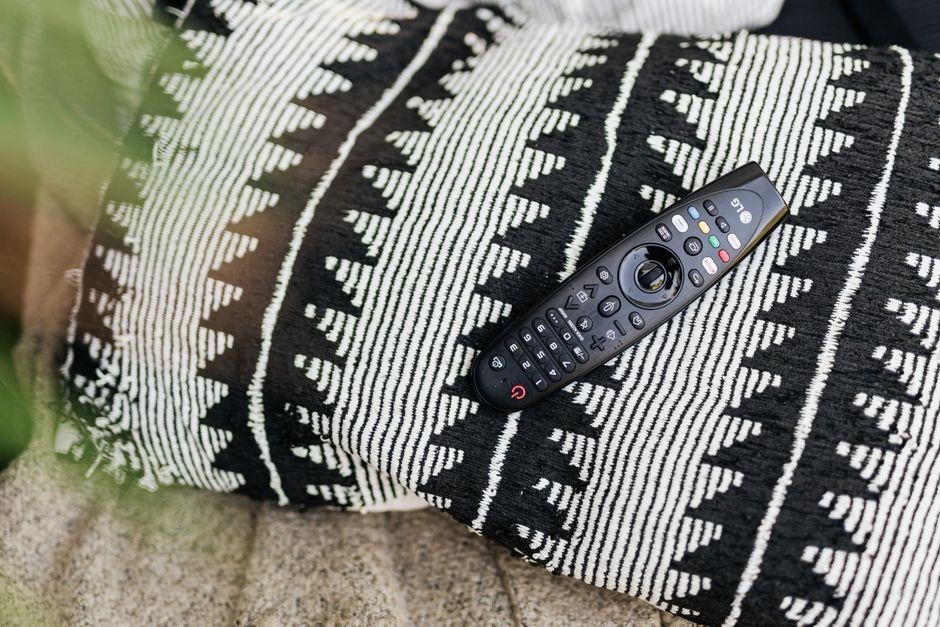
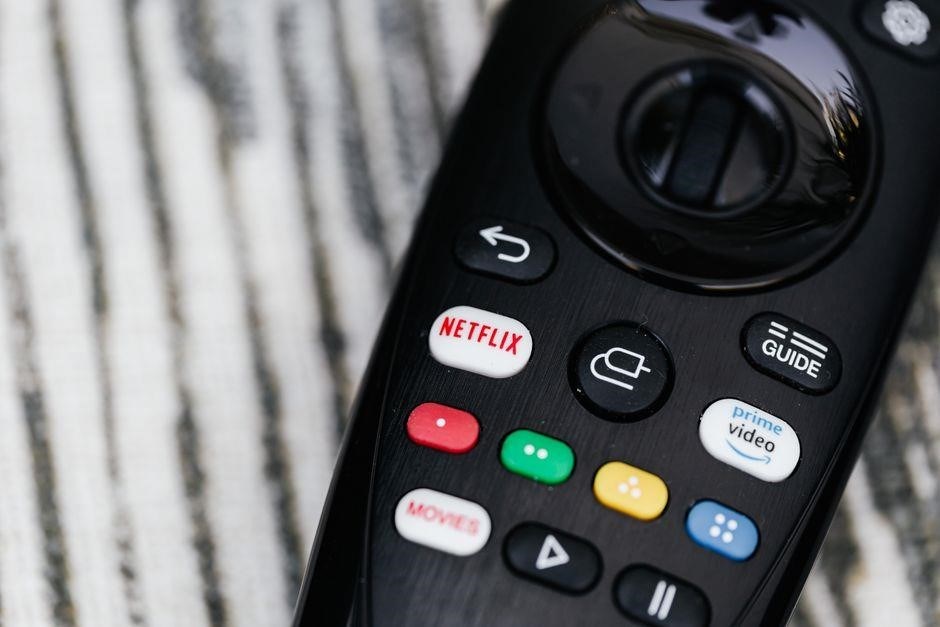
With SIMPLINK‚ a compatible LG TV remote can manage the soundbar and subwoofer without extra remotes. The remote’s power button toggles the soundbar on or off‚ while the volume keys adjust the bar’s output in 1‑dB increments. The mute button silences audio instantly‚ and the “‑” and “+” keys can be mapped to bass‑boost or treble‑adjust functions if the firmware supports them. Pressing the “Menu” button opens the soundbar’s on‑screen display‚ allowing you to switch between preset modes such as “Movie‚” “Music‚” or “Game.” The “Back” button returns to the TV menu‚ keeping the remote’s focus on the TV while the soundbar remains active. In addition‚ the remote can trigger a quick‑pairing mode by holding the “Power” and “Mute” buttons simultaneously for three seconds‚ prompting the soundbar to enter pairing mode for wireless subwoofer connections. For advanced users‚ the remote’s “Settings” icon can launch the soundbar’s EQ configuration panel‚ where you can fine‑tune frequencies directly from the TV interface. If the soundbar is not responding‚ the remote’s “Reset” function (Power + Volume‑Down) will restore factory defaults. All these functions are listed in the LG soundbar and subwoofer manual‚ which also advises that the soundbar must be within 1 m of the subwoofer to maintain optimal signal integrity. For detailed setup steps‚ refer to your LG TV’s SIMPLINK guide‚ ensuring that the TV’s firmware is up to date and that the soundbar’s firmware matches the recommended version. By mastering these remote controls‚ users can enjoy a streamlined audio experience without juggling multiple devices. Remote controls enhance convenience and performance for audio !
Optimizing Placement for Sound Quality
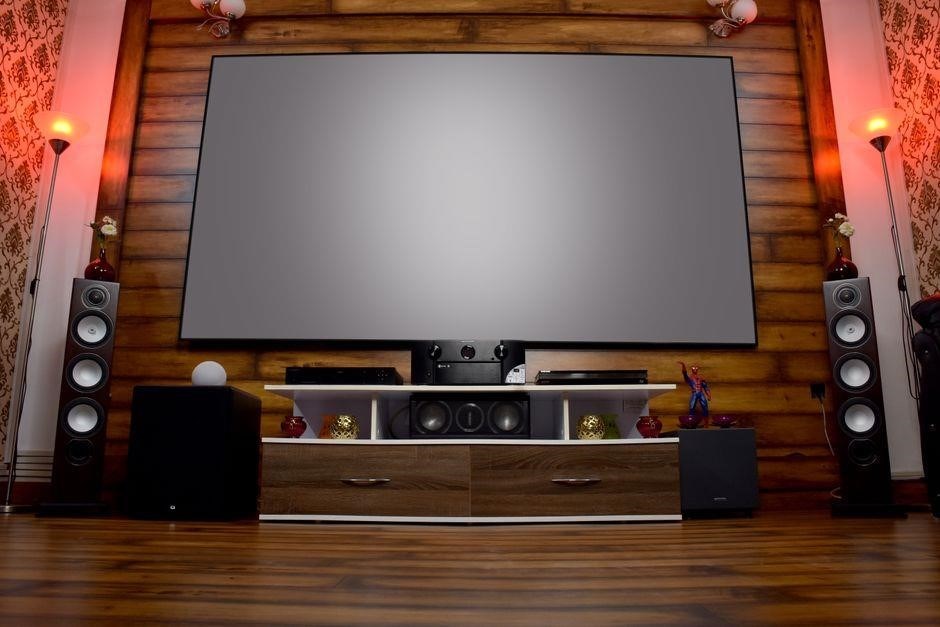
To achieve the best audio experience with the LG soundbar and subwoofer‚ positioning is critical. Place the soundbar as close as possible to the wireless subwoofer—ideally within 30 cm to preserve signal integrity and reduce latency. Keep the subwoofer at least 1 m away from strong electromagnetic sources such as Wi‑Fi routers‚ microwaves‚ or Bluetooth devices to avoid interference. Position the soundbar on a flat surface or a dedicated stand‚ ensuring it faces the listening area for optimal sound dispersion. Avoid placing the subwoofer behind large furniture or walls that could block low‑frequency waves; instead‚ position it on the floor or a low shelf near the front of the room. If the room has high ceilings‚ consider angling the soundbar slightly downward to direct sound toward the audience. Ensure there are no obstacles between the soundbar and the subwoofer—walls‚ cabinets‚ or thick curtains can attenuate the wireless link. Use the LG Soundbar app to calibrate the subwoofer’s level after placement; the app’s auto‑calibration feature will adjust bass output to match the room acoustics. Finally‚ test the setup by playing a bass‑heavy track and listening for any distortion or drop‑outs; if issues arise‚ slightly adjust the distance or angle until the sound is balanced and immersive. By placing the subwoofer on a low shelf‚ you can further enhance bass clarity‚ as the proximity to the listener is reduced‚ as the subwoofer is positioned closer to the front of the room‚ providing a more immersive experience. This improves bass depth by
Avoiding Wireless Interference
Wireless interference can degrade the performance of the LG soundbar and subwoofer. Keep the soundbar and the wireless subwoofer at least 1 m away from devices that emit strong electromagnetic fields‚ such as Wi‑Fi routers‚ microwave ovens‚ and Bluetooth accessories. The closer the soundbar is to the subwoofer‚ the stronger the link; therefore‚ install the soundbar as near as possible to the subwoofer while still respecting the 1 m rule for other electronics. Avoid placing the subwoofer behind large metal objects or inside cabinets‚ as these can block the signal. Keep the line of sight clear between the two units; a direct path reduces attenuation. If you notice drop‑outs or latency‚ move the subwoofer to a different spot or increase the distance between the soundbar and nearby routers. Use the LG Soundbar app to check the signal strength indicator; a strong signal (above 80 %) indicates minimal interference; Finally‚ if the room contains multiple Wi‑Fi networks‚ consider switching to a less congested channel or using a wired Ethernet connection for the TV to reduce overall wireless traffic. Following these steps will help maintain a stable‚ high‑quality audio connection. For optimal performance‚ use the LG Soundbar app to perform a quick sound check after each relocation. The app displays a real‑time signal strength bar; aim for a green zone. If the bar dips into yellow or red‚ move the subwoofer closer. Also‚ avoid placing the subwoofer near metal shelving or large mirrors‚ as these can reflect or absorb low‑frequency waves. waves.!
Troubleshooting Common Issues
If the LG soundbar and subwoofer fail to connect or produce sound‚ start with simple checks. Lower the soundbar volume; some models pair more reliably at low volume. Unplug both units for a minute‚ then plug them back in; devices often need a reset. If that does not help‚ unplug for at least five minutes before reconnecting. Consult the specific LG soundbar model’s user manual for its pairing procedure‚ as steps differ between models. The included subwoofer should be positioned close to the soundbar‚ with no obstacles blocking the wireless link. Keep the subwoofer at least 1 m from routers‚ microwaves‚ or other strong EM emitters. If the app shows a weak signal‚ move the subwoofer or adjust the router channel. For persistent issues‚ update firmware via the LG Sound Bar app‚ and if problems remain‚ contact LG support. Always refer to the quick‑start guide for model‑specific troubleshooting steps. Additionally‚ check that the soundbar is properly powered and that the subwoofer’s pairing button is pressed for 5 seconds until the LED blinks. If the LED stays solid‚ the subwoofer is already paired and may need a reset by holding the button for 10 seconds. Finally‚ ensure the soundbar’s firmware is the latest version; outdated firmware can cause compatibility problems. Reset the subwoofer by unplugging it for 30 s now!.
Check LED status: a light on the soundbar means it’s on; a blinking light means it’s searching. On the subwoofer‚ a light indicates pairing; rapid blinking means pairing mode. Use the app to run a test to confirm the subwoofer sound!!!
Firmware Updates and Maintenance
To keep your LG soundbar and subwoofer running smoothly‚ regularly check for firmware updates through the LG Sound Bar app. Open the app on a smartphone connected to the same Wi‑Fi network as the soundbar; The app will automatically detect the device and display any available firmware version. Tap “Update” and follow the on‑screen prompts; the soundbar will reboot during the process. It is recommended to perform updates when the TV is idle and the power supply is stable. Avoid interrupting the update by unplugging the unit or turning off the TV. After a successful update‚ verify that the subwoofer’s LED indicator shows a steady light‚ confirming a proper connection. For routine maintenance‚ keep the soundbar and subwoofer in a area free from dust and moisture. Periodically wipe the front grill with a dry cloth; Ensure the wireless subwoofer remains within 1 m of the soundbar and that no large metal objects block the signal path. If you notice a drop in audio quality‚ reset the subwoofer by holding its pairing button for 10 seconds until the LED flashes‚ then re‑pair via the app. Finally‚ back up any custom settings in the app before performing a factory reset‚ which can be done from the “Settings” menu. This simple routine extends the life of the system and guarantees consistent performance.
Regular firmware checks help spot compatibility problems with media formats. If the soundbar shows a version mismatch‚ use the app to download the firmware. Power the unit through a surge‑protected outlet to guard against voltage spikes.
Warranty and Support Information
The LG soundbar and subwoofer come with a standard one‑year limited warranty covering manufacturing defects and workmanship. The warranty is valid only if the product was purchased from an authorized retailer and the original receipt is retained. For service‚ contact LG Customer Support via the official website or call the toll‑free number listed in your region. You can also visit the nearest LG service center for in‑person assistance. Register your product online to receive timely firmware updates and to activate extended warranty options. The extended warranty‚ available for an additional fee‚ extends coverage to two years and includes accidental damage protection. If the unit fails during the warranty period‚ LG will repair or replace it at no cost‚ provided the user follows the troubleshooting steps outlined in the manual. For parts and labor outside the warranty‚ a service fee applies. Keep the original packaging and accessories for potential resale or trade‑in programs. For detailed terms‚ consult the Warranty Card included in the box or view the PDF on the LG website. If you experience any issues‚ submit a support ticket online‚ and a technician will guide you through the resolution process. All support interactions are logged for future reference‚ ensuring a smooth experience. The warranty does not cover damage caused by misuse‚ accidental drops‚ or exposure to liquids; Always handle the system with care and store it in a dry environment. For international customers‚ check the local LG support page for specific regulations and service options. The support team is available to answer questions guide you for all users.
Frequently Asked Questions
Q1: How do I pair the wireless subwoofer? A: Turn on the soundbar and subwoofer‚ then press the pairing button on the subwoofer until the LED blinks. The soundbar will automatically detect the subwoofer and establish a connection. Q2: My soundbar won’t connect to my TV via HDMI‑ARC. A: Ensure the HDMI cable is inserted into the HDMI‑ARC port on both the TV and soundbar. Disable any HDMI‑CEC settings that may interfere‚ then power cycle both devices. Q3: Why is the bass level low? A: Adjust the bass level in the soundbar’s settings menu or use the LG Sound Bar app to fine‑tune the subwoofer output. Q4: Can I use the soundbar with a non‑LG TV? A: Yes‚ connect via HDMI or optical audio. For wireless subwoofer pairing‚ the soundbar must be powered on. Q5: Where can I download firmware updates? A: Visit the LG support website‚ enter your model number‚ and download the latest firmware. Apply updates through the soundbar’s menu or the LG Sound Bar app. Q6: My subwoofer is not producing sound. A: Check that the subwoofer is powered and the volume is turned up. If the LED remains off‚ unplug the subwoofer‚ wait 30 seconds‚ then plug it back in. For additional help‚ consult the user manual or contact customer support.
For any other questions‚ refer to the quick‑start guide‚ the full user manual‚ or the LG support portal. You can also use the LG Sound Bar app for advanced settings‚ firmware updates‚ and remote control. If problems persist‚ contact LG customer service via phone‚ email‚ or live chat. All support interactions are logged for future reference‚ ensuring a smooth experience. All updates are free and delivered via the app. now